სალნიკები
Без рубрики

Hydraulic Seals

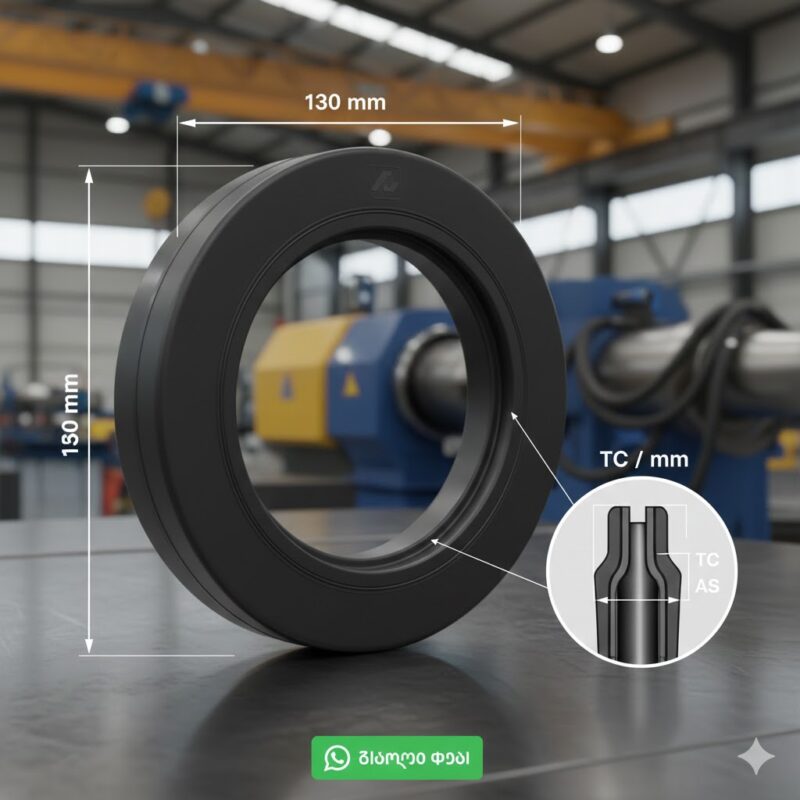
Hydraulic Seals Hydraulic seals are vital components used in hydraulic cylinders to prevent fluid leakage and withstand high pressures. They are typically made from materials like polyurethane, rubber, or PTFE. Key Categories Piston Seals: They maintain sealing contact between the piston and the cylinder bore, ensuring efficient mechanical work. Rod Seals: Often considered the most critical, they prevent fluid from leaking to the outside of the cylinder. Wiper Seals: Designed to scrape away contaminants from the rod as it retracts into the cylinder. Maintenance Tips Check for Contamination: Particles in the hydraulic fluid can score the seal surface. Temperature Control: Excess heat can harden the seal material, leading to cracks. Proper Lubrication: Dry movement can cause rapid wear and tear. Feature NBR (Nitrile) Viton (FKM/Fluorocarbon) Temperature Range $-30$°C to $+100$°C $-20$°C to $+200$°C Media Resistance Oils, water, hydraulic fluids Harsh chemicals, acids, extreme heat Main Advantage Abrasion resistance, cost-effective Chemical stability, long life cycle Common Use General hydraulics, mobile machinery Aerospace, chemical plants, high-heat engines Hydraulic seals are essential components of cylinders that contain fluid and prevent contamination. They are vital for the operation of excavators, presses, and industrial machinery. Piston Seals: Act inside the cylinder. Rod Seals: Prevent fluid from leaking out. Wiper Seals: Clean dust and debris from the rod.

ლიფტი
Без рубрики

Lifts

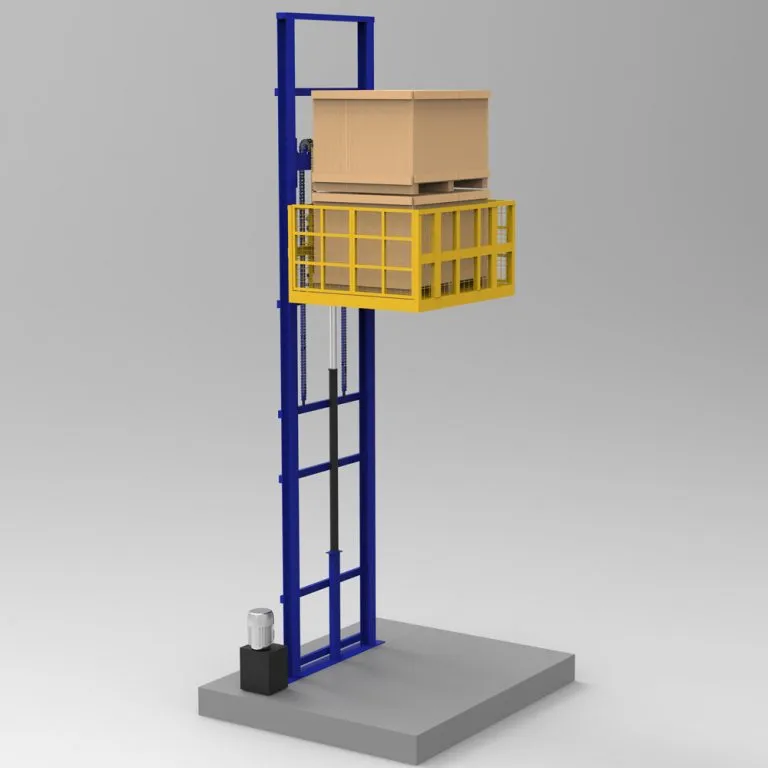
Lifts primarily refer to vertical transport systems (elevators) in buildings, moving people/goods between floors, but also broadly mean any device or action to raise something, like ski lifts, forklifts, scissor lifts for work, or even the act of raising something (e.g., “lift a car”). In Commonwealth English (UK, Aus, etc.), “lift” is standard; in North America, “elevator” is used. They use cables, motors, and counterweights (traction) or hydraulics to operate, ensuring building accessibility and efficiency. Types of Lifts Building Lifts (Elevators): The most common, from passenger lifts in skyscrapers to home lifts and wheelchair lifts for accessibility. Industrial Lifts: Forklifts (material handling), scissor lifts (aerial work platforms). Recreational/Transport Lifts: Ski lifts (aerial/surface), paternoster lifts (continuous chain). Assistive Lifts: Stairlifts, patient lifts (Hoyer lifts) for mobility issues. How They Work (Building Lifts) Mechanism: Electric motors pull cables attached to a car and a counterweight, balancing the load for efficiency. Components: Car, motor, cables, counterweight, safety systems, control panel. Power: Electric (traction) or hydraulic (pumping fluid). Other Meanings As a Verb: To raise or hoist something (e.g., “lift a heavy box”). Informal (UK): “Doing lifts” can mean illegal ride-sharing via social media. In essence, if it moves things vertically or requires effort to raise, it’s likely a “lift” in the broader sense, with building elevators being the most prominent example.

თბომცვლელები
Bottle Washer, Can Filler, Filling Machine, The Basics of Heating and Plumbing Systems

Plate Heat Exchangers

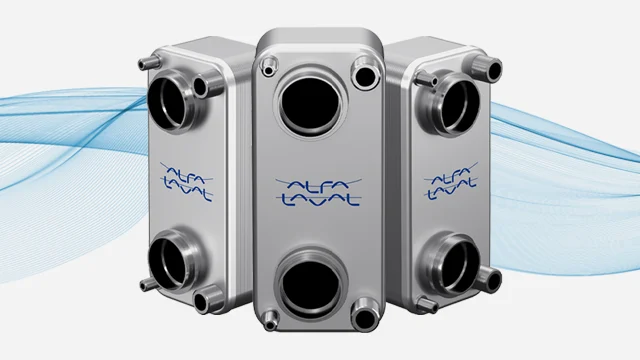
Plate Heat Exchangers. in Combined Heating and Cooling Systems As a result of modern architecture and evolving comfort standards, buildings such as commercial buildings, hotels, hospitals, and mixed-use complexes no longer require only heating or only cooling. For a large part of the year, simultaneous heating and cooling demands can arise in different facades or different areas of the building. Designed to meet this complex thermal need, combined heating and cooling systems are one of the most sophisticated areas of HVAC (Heating, Ventilation, and Air Conditioning) engineering. The key component that ensures the efficient, safe, and flexible operation of these systems is the plate heat exchanger, which often remains in the background but has a critical function. In this article, we will delve into the technical role of this engineering marvel at the heart of combined systems, its contribution to energy efficiency, and the correct integration scenarios. General Structure of Combined Heating and Cooling Systems Combined heating and cooling systems are HVAC systems that can provide both heated and cooled water to a building simultaneously. This allows an office on the north side to be heated while a meeting room or server room under heavy human and equipment load can be cooled simultaneously. The most common and well-known configuration is the “4-pipe system”. The general structure of these systems consists of the following main components: Heat Generation Center: Usually consists of condensing boilers, heat pumps, or a central heat source. This center produces hot water for the heating circuit. Cooling Generation Center: Water is generated by chiller units. This center produces chilled water for the cooling circuit. Distribution Network: These are the pipelines that transport heated and chilled water to the end-use points in the building. In a 4-pipe system, two pipes are used for hot water supply and return, and two pipes are used for chilled water supply and return. End-Use Equipment: These are equipment such as fan coil units (FCUs) and air handling units (AHUs). These units have both hot and cold water coils and heat or cool the environment by opening the relevant valve according to the thermostat command. Hydraulic Separation and Control Equipment: Pumps, valves, sensors, and plate heat exchangers that form the backbone of this system. The Role and Advantages of Plate Heat Exchangers in These Systems Plate heat exchangers play multiple critical roles in these complex systems. Their primary function is to physically separate the primary circuit, where the heating and cooling sources are located, from the secondary circuit, where this energy is distributed to the building. This “hydraulic separation” principle provides numerous engineering advantages: Equipment Protection: Chillers and boilers are the most expensive and sensitive components of the system. The plate heat exchanger acts as a barrier, preventing potential contaminants, sediment, air, and chemicals that may be present in the water circulating in the building’s distribution network from reaching this expensive equipment. Fluid Compatibility: In cooling circuits, especially in pipelines operating in outdoor environments, it may be necessary to add glycol to the water to prevent freezing. However, many chillers achieve their highest efficiency when operating with pure water. Plate heat exchangers make it possible to safely use pure water in the primary circuit (chiller side) and glycol-containing water in the secondary circuit (building side). Pressure Reducing Function: Especially in high-rise buildings, significant pressure differences occur between lower and upper floors due to static pressure. Heat exchangers divide the building into different pressure zones, allowing each zone to operate in its own ideal pressure regime and preventing equipment from being exposed to high pressure. System Flexibility and Modularity: The use of heat exchangers allows different parts of the system to be designed, operated, and maintained independently. Changes or maintenance in one circuit do not affect other circuits. Thermal Equilibrium and Flow Direction Management The thermal performance of plate heat exchangers is directly related to the way fluids pass through the plate surfaces. For maximum efficiency, the counter-current flow principle is used in almost all applications. In this principle, hot and cold fluids enter and exit the heat exchanger from opposite directions. This arrangement ensures a more homogeneous distribution of the temperature difference (ΔT) across the heat exchanger, maximizing the Logarithmic Mean Temperature Difference (LMTD). A high LMTD means less plate surface area is needed for the same heat transfer, resulting in a more compact and economical heat exchanger. One of the most critical parameters in the design phase is the approach temperature. This is the difference between the outlet temperature of one circuit and the inlet temperature of another. For example, in a cooling circuit, if water from the chiller enters at 7°C, returns through the heat exchanger at 12°C, and is sent to the building circuit at 9°C, the approach temperature is (9°C – 7°C) 2°C. Lower approach temperatures mean higher efficiency, but also require more

ყველაზე კარგი გათბობის ქვაბი
The Basics of Heating and Plumbing Systems

The Basics of Heating and Plumbing Systems

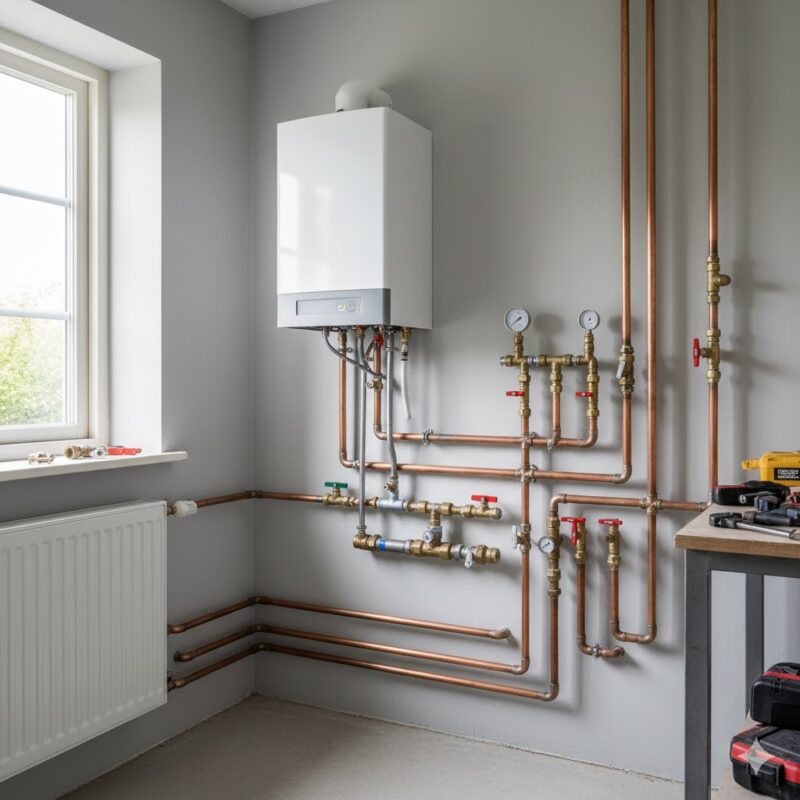
Creating Comfort: The Basics of Heating and Plumbing Systems in Your Home. Comfort in a modern home is unthinkable without reliable heating and plumbing systems. They are invisible, but vital lifelines that provide heat in the cold season and clean water for all household needs. Let’s consider the main components of these vital engineering systems. 1. The heart of the heating system: the boiler Let’s start with the central element of the heating system – the boiler. This is the main heat generator in your home. Modern boilers can run on various fuels: natural gas, electricity, diesel or solid fuel (wood, coal, pellets). The choice of boiler depends on the availability of energy, budget and personal preferences. It is in the boiler that the coolant (usually water) is heated, which then circulates throughout the system and transfers heat to the rooms. 2. Heat distributors: Radiators The heated coolant from the boiler flows into radiators installed in living spaces. Radiators are the final points where heat is transferred to the air in the room, providing a comfortable temperature. There are many types of radiators, which differ in material (steel, aluminum, bimetallic, cast iron), design and heat output. The correct selection and placement of radiators is critically important for uniform and efficient heating. 3. Lifelines: Plumbing In addition to heating, no home can function without water. The plumbing system is a branched network of pipes that supplies clean drinking water to the house and then distributes it to all supply points: kitchens, bathrooms and toilets. There are cold and hot water supply systems. The quality of the pipes (copper, polypropylene, metal-plastic) and their correct installation directly affect the durability and safety of the entire system. 4. Control and Safety: Valves Valves are no less important – this is a general term for a wide range of devices installed on pipelines and equipment. Valves perform various functions: Shut-off valves (taps, valves) allow you to turn off the water or heating medium supply for repair or maintenance purposes. Regulating valves (e.g., thermostatic valves on radiators) allow you to precisely adjust the temperature in individual rooms or regulate the flow of the heating medium. Safety valves (relief valves) ensure the safety of the system by relieving excess pressure and preventing accidents. Connecting valves (fittings: unions, elbows, tees) are used to seal pipes between themselves and with other devices. Conclusion The efficient and reliable operation of heating and water supply systems is the key to comfort and coziness in your home. Understanding the key components – boilers, radiators, plumbing and valves – will help you make informed decisions when designing, installing or upgrading these key engineering systems. Trust them to be managed by professionals to keep your home warm and water running.

wine
Без рубрики

WINE

  Georgia: The Cradle of Wine Georgia, nestled at the crossroads of Europe and Asia, boasts a winemaking tradition that stretches back over 8,000 years. This ancient heritage has earned it the title of “cradle of wine.” Archaeological evidence reveals that Georgians were cultivating grapes and producing wine as early as 6,000 BC, making it one of the oldest winemaking regions in the world. The Qvevri Tradition. Central to Georgian winemaking is the qvevri, a large, egg-shaped clay vessel buried underground. This unique method, dating back millennia, involves fermenting and aging the wine in these qvevri, allowing for natural temperature control and gentle extraction of flavors and tannins. The qvevri winemaking method is recognized by UNESCO as an Intangible Cultural Heritage of Humanity. A Tapestry of Indigenous Grapes. Georgia’s diverse climate and terroirs nurture over 500 indigenous grape varieties, each contributing unique characteristics to the wines. Saperavi, a dark-skinned grape, produces robust red wines with notes of dark berries and spice. Rkatsiteli, a white grape, yields crisp, aromatic white wines with hints of citrus and floral notes. Other notable varieties include Mtsvane, Kisi, and Khikhvi. Tasting Notes: A Journey Through Flavors. Georgian wines offer a captivating range of flavors and styles. Red wines, often made from Saperavi, are known for their deep color, rich tannins, and complex aromas of blackcurrant, cherry, and spice. White wines, crafted from Rkatsiteli and Mtsvane, exhibit vibrant acidity, refreshing citrus notes, and a distinct minerality. Amber wines, made using extended skin contact, showcase a unique tannic structure and nutty, dried fruit flavors. A Resurgence of Tradition. After a period of decline during the Soviet era, Georgian winemaking is experiencing a renaissance. Young winemakers are embracing traditional methods, experimenting with indigenous grapes, and producing high-quality wines that reflect the country’s rich heritage. This resurgence has garnered international recognition, with Georgian wines gaining popularity among wine enthusiasts worldwide. Exploring Georgia’s Wine Regions. Georgia’s diverse wine regions offer a tapestry of terroirs and winemaking styles. Kakheti, the country’s largest wine region, is renowned for its Saperavi and Rkatsiteli wines. Kartli, home to the ancient capital of Mtskheta, produces elegant white wines and sparkling wines. Imereti, with its rolling hills and fertile valleys, is known for its light-bodied red and white wines. A Toast to Georgian Wine.. Georgian wine is more than just a beverage; it’s a symbol of the country’s rich history, cultural heritage, and unwavering spirit. From the ancient qvevri to the diverse array of indigenous grapes, Georgian wine offers a unique and unforgettable tasting experience. As you savor a glass of Georgian wine, you’re not just enjoying a drink; you’re partaking in a tradition that has been passed down through generations.

Bobcat_Filter_Main_Category_01_1
Без рубрики

Filter

Importance and Quality of Filters for Automobiles and Construction Machinery Filters are crucial components for the longevity of automobiles and construction machinery. They ensure the smooth operation of the engine, motor, and hydraulic systems by protecting them from harmful particles and dirt. Engine Filters: These filters protect the engine from airborne contaminants such as dust, insects, and other particles. A quality engine filter ensures optimal air flow, which is essential for efficient fuel combustion and engine performance. Oil Filters: Oil filters clean engine oil from sediments and harmful particles that are formed during engine operation. Clean oil provides lubrication to engine parts and protects them from wear. Hydraulic Filters: Hydraulic systems in construction machinery are used to lift and move heavy loads. Hydraulic filters protect these systems from dirt and particles, ensuring their smooth operation and extending their lifespan. Filter quality: The quality of filters directly affects the performance and lifespan of your vehicle and construction machinery. Cheap and low-quality filters may not provide proper filtration, which can lead to engine damage and system malfunctions. Recommendations: * Use only high-quality filters that match your vehicle or construction machinery model. * Change filters regularly according to the manufacturer’s recommendations. * Pay attention to the condition of the filters and replace them if necessary. Correct selection and regular replacement of filters will ensure long and trouble-free operation of your vehicle and construction machinery.

ჩამოსხმული წყლის შემავსებელი მანქანა
Filling Machine

200ml-2L Bottled Water Filling Machine

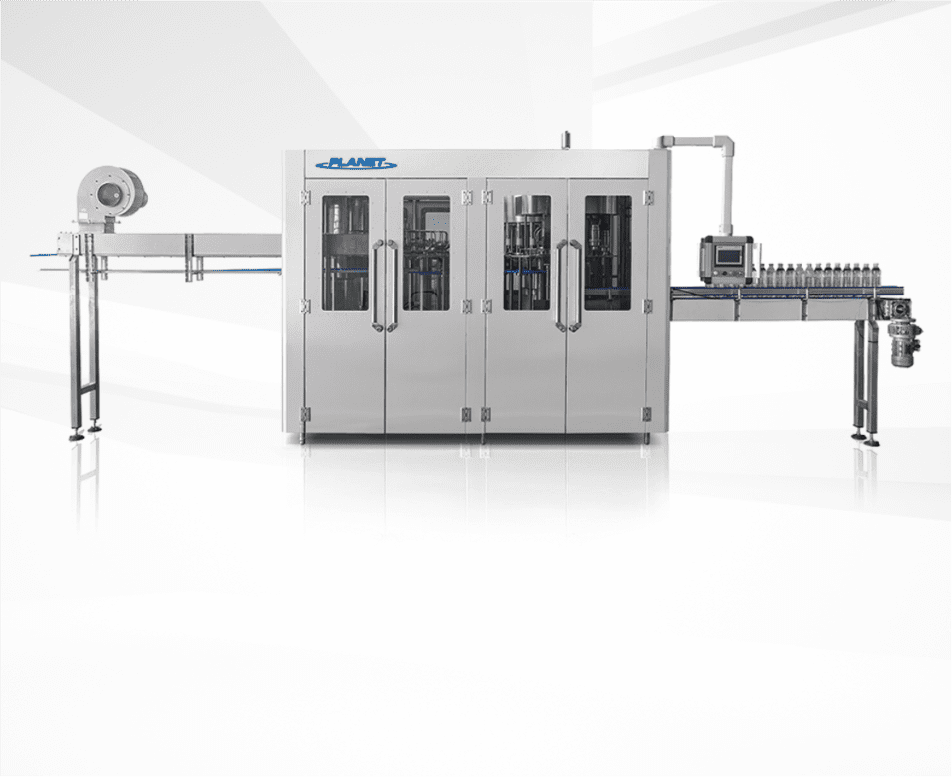
200ml-2L Bottled Water Filling Machine The bottled water filling machine produced by Planet Machinery is used in the production of non-carbonated drinks as pure water, mineral water and drinking water with optional capacity from 6000BPH-48000BPH. The bottled water filling machine produced by Planet Machinery is used in the production of non-carbonated drinks as pure water, mineral water and drinking water with optional capacity from 6000BPH-48000BPH. Applied Containers: PET bottles with various capacities and shapes. The water filling equipment is a machine that integrates washing, filling, and capping, developed and produced by Planet Machinery absorbing advanced foreign technology. The water filler adopts PLC control interface, fully automatic operation, stable operation, easy to clean and maintain, the best choice for small and medium-sized water filling machinery factories.

ავტომატური იზობარული ქილის შემავსებელი
Can Filler

New Semi Automatic Isobaric Can Filler 2022

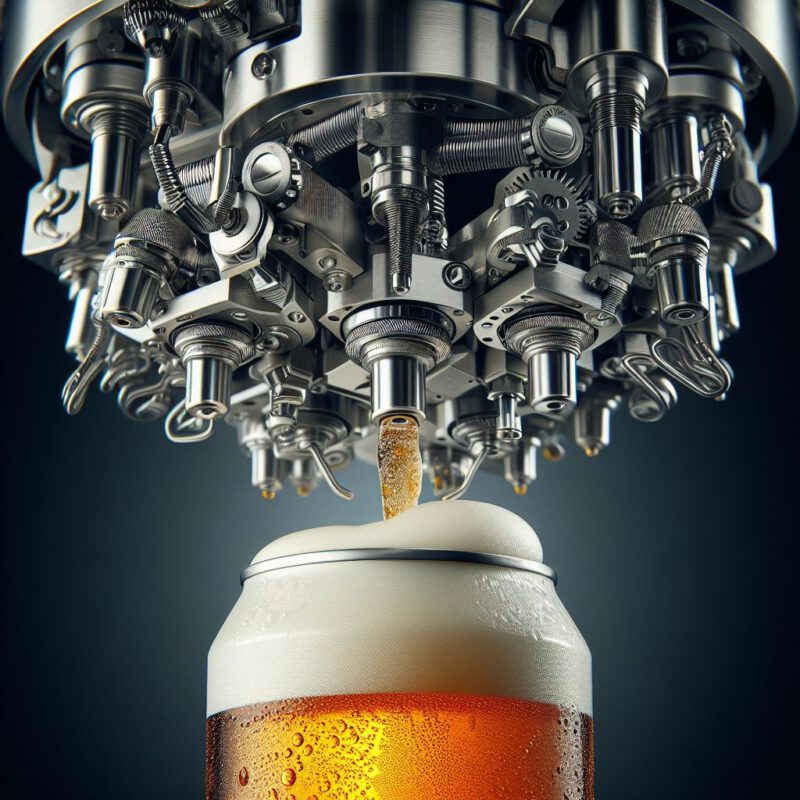
Manufacturer:CEM Model:CEM 4/1 Year:2022 Speed:300 Cans/hour Containers:Can Formats:0.33 L, 0.50 L Product:Alcohol, Beer         Details: Filler No. of valves:4 Fill type:Isobaric Type of nozzle:Mobile Isobaric valve:Traditional Capper Cap types:Aluminum screw No. of heads:1 Current state:Ready for operation Safety features:Yes Manuals:Yes Rotation direction:Clockwise Measurements: L: 1000 mm W: 2000 mm H: 1800 mm Weight: 1500 kg Electrical data: V: 220 • Hz: 50 Description New Semi Automatic Isobaric Can Filler 2022 SEMIAUTOMATIC CAN-SEALING MACHINE MOD. CEM CAN Machine composed by: 2 or 4 isobaric filling valves 1 sealing head Machine frame in AISI 304 stainless steel Beer tank in AISI 304 stainless steel Beer connectors and pneumatic line in AISI 304 stainless steel Emergency stop Two-hand switch control for operator protection during the work phases Suitable for filling 330ml and 500ml aluminum cans with the same diameter. Machine features: The equipment is made of high quality stainless steel 304, it is durable, safe and reliable to use, compact in design, easy to operate. The filling process is automatically controlled by PLC. This machine is mainly composed of frame, electrical control system, tray, filling valve, beer storage tank, cap turning machine etc. Process of work: Cylinder compression ~ gas replacement (the CO2 valve and pressure relief valve are opened at the same time) ~ CO2 pressure backup ~ filling (while the CO2 return valve is open) ~ pressure stabilization ~ pressure relief ~ cylinder rise. Main specifications and sizes – New Semi Automatic Isobaric Can Filler Dimension of worktable: 880mm*500mm Worktable height: 850mm Machine dimensions: 1000mm*620mm*1850mm Maximum stroke of cylinder piston: 300mm Net weight: 150Kg Technical parameters: Beer source pressure 0.2 —- 0.3Mpa Beer source temperature 1——–4℃ Compressed air source pressure 0.6 —- 0.8Mpa CO2 pressure 0.2 —- 0.3Mpa Air cylinder pressure 0.5—- 0.6Mpa Power supply Single phase 220V 50Hz (customizable) Excluded : air compressor pump – one way valve MOD. CEM CAN 2-1 hourly production up to 200 cans/h

Bottle Washer

Bottle Washer

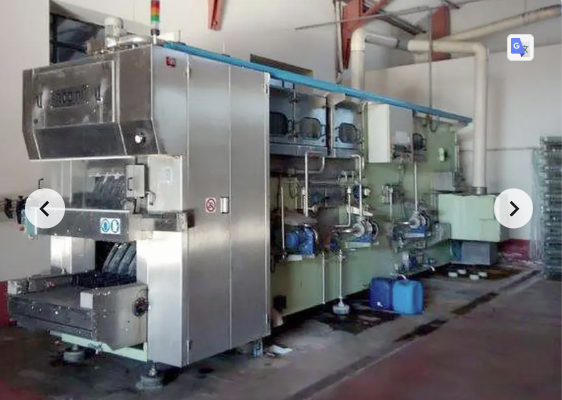
Used Bottle Washer Bodini up to 3000 bph. Introduction to the Used bottle washer Bodini up to 3000 bph Firstly, efficiency in bottling is a pivotal aspect for the beverage industry. The used Bondini bottle washer, model Nexus, stands out as an ideal solution for those seeking high performance. Impressively, it guarantees processing up to 3000 bottles per hour (BPH). Constructed in 1996, this machine expertly combines advanced technology with robustness, offering a dependable cleaning solution for glass containers. Thus, it represents a significant advantage for operations requiring high throughput. Technology and Performance Moreover, the Nexus by Bodini is equipped with six washing rows, enabling the treatment of various bottle formats, ranging from 0.375 L to 2 L. This versatility leads to greater efficiency in handling different sizes. Additionally, its internal/external cleaning system, which includes label removal by pulping, ensures that containers are not only thoroughly but also gently cleaned, preserving their integrity. Such a comprehensive approach to cleaning underscores the machine’s adaptability and efficiency. Heating System and Safety Furthermore, the inclusion of a heat exchanger and three soda baths is paramount for an effective cleaning process. Importantly, the used bottle washer Bodini up to 3000 bph prioritizes operator safety, integrating several features designed to protect users during its operation. This emphasis on safety, combined with efficient cleaning capabilities, enhances the overall value of the machine. Energy Efficiency and Maintenance Despite its age, the machine has been well-maintained and is currently in storage, ready to be redeployed. It has clocked in 5500 working hours, indicating its durability and reliability over time. Operating at 380 V, 15 kW, and 50 Hz, the machine also showcases an attention to energy efficiency, a crucial consideration for reducing operational costs. Operational Versatility The machine’s ability to handle a single bottle entry streamlines the operational process, making it easier to manage. With its comprehensive cleaning type, which tackles both inside and outside of the bottles and effectively removes labels by pulping, it ensures a high-quality cleaning standard. The presence of manuals and safety features further enhances its usability, ensuring that operators can maintain and operate the machine with ease and safety. Conclusion of the Used bottle washer Bodini up to 3000 bph In conclusion, the used Bodini Nexus bottle washer exemplifies the perfect blend of technology, reliability, and efficiency in the bottling sector. Capable of handling up to 3000 bph and accommodating a wide range of bottle formats, it offers a highly flexible and efficient solution for cleaning needs. Its robust construction, coupled with advanced safety features, energy efficiency, and operational versatility, make it an intelligent choice for those in search of a reliable, high-performing second-hand machine. This makes the Nexus model not just a piece of equipment but a cornerstone for any beverage production line looking to maximize efficiency and safety.

პასტერიზატორი
pasteurizer

Flash pasteurizer UDMACHINES

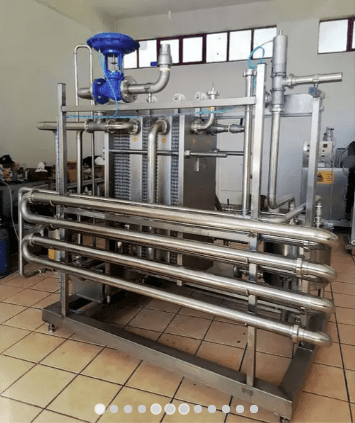
Description Used Flash Pasteurizer UDMACHINES Year 2022 Introduction To begin with, the Used Flash Pasteurizer UDMACHINES Year 2022 emerges as a cutting-edge solution in the liquid thermal treatment sector. This machine, meticulously designed by UDMACHINES, is a model PAS-10000-45-2P-E. It’s distinguished by its operational efficiency and precision, setting a new standard in the industry. Key Characteristics UDMACHINES, known for their innovation, manufactured this “Used Flash Pasteurizer” in 2022, making it a relatively new addition to the market. Importantly, it boasts a remarkable operational capacity of 10,000 liters per hour. This capacity is a testament to its significant efficiency, especially in handling large volumes for treatment. Pasteurization Method and Functional Aspects This pasteurizer operates using the flash method, a critical feature. Specifically, it rapidly heats liquids to 90 °C. This process is not only swift but also ensures the effective thermal treatment of the liquid. Moreover, it does so while maintaining the original organoleptic properties of the product, a vital aspect for quality preservation. Current State and Safety Features Currently, the “Used Flash Pasteurizer UDMACHINES” is in storage, a crucial factor for its preservation. This storage condition is ideal for keeping the machine in an excellent state, ready for its next operational cycle. Additionally, the machine is equipped with comprehensive safety features. These features are paramount, ensuring safe and reliable operation, a necessity in today’s stringent industrial environments. Manuals and Maintenance Furthermore, the availability of complete and detailed manuals is a significant advantage. These manuals provide extensive instructions on both operation and maintenance. This availability ensures that operators can fully understand and efficiently manage the machine’s functionalities. Also, it underscores the importance of regular maintenance for optimal performance. Technical Specifications Delving deeper into its specifications, the machine’s design is both robust and user-friendly. It features user-centric controls and interfaces, simplifying the operational process. Additionally, the construction materials are of high quality, ensuring durability and longevity. Industry Applications and Versatility Moreover, the Used Flash Pasteurizer UDMACHINES Year 2022 is incredibly versatile, suitable for various industries. From beverage production to dairy processing, this machine can adapt to different liquid types and processing requirements. This versatility makes it a valuable asset for diverse processing plants. Energy Efficiency and Environmental Considerations Equally important, the machine is designed with energy efficiency in mind. This efficiency reduces operational costs and aligns with environmental sustainability goals. The machine’s design minimizes energy waste, a key consideration in the current climate of environmental awareness. Conclusion In conclusion, the Used Flash Pasteurizer UDMACHINES Year 2022 is an exemplary choice for companies seeking a modern, efficient, and reliable pasteurization solution. It combines high-volume processing capabilities with advanced technology and robust safety measures. Thus, it represents a valuable investment for businesses in the beverage and liquid processing sectors, looking to enhance their production efficiency and quality.

Scroll to Top