სალნიკები
Без рубрики

Hydraulic Seals

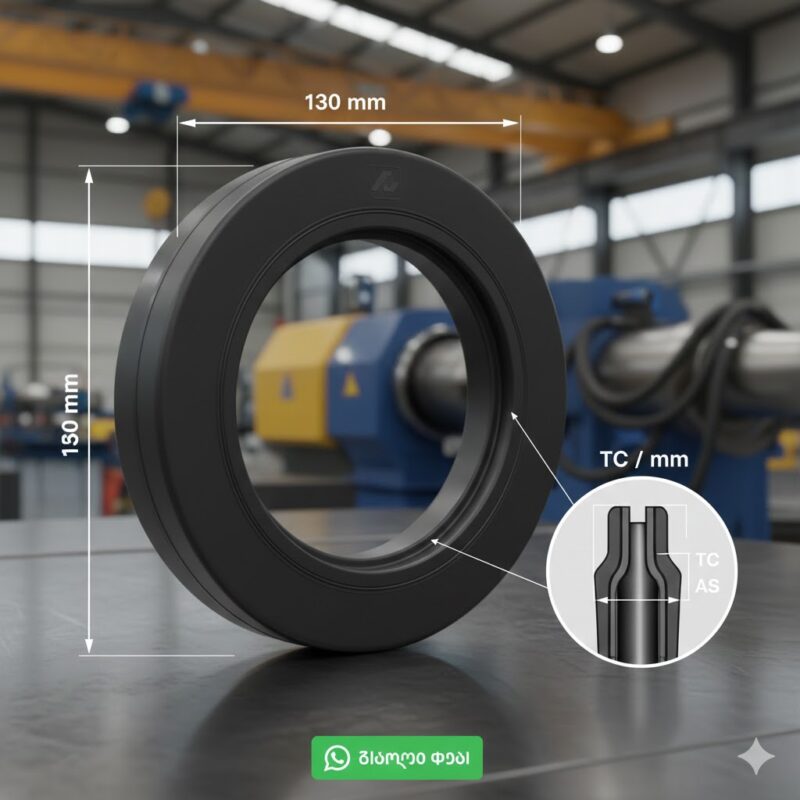
Hydraulic Seals Hydraulic seals are vital components used in hydraulic cylinders to prevent fluid leakage and withstand high pressures. They are typically made from materials like polyurethane, rubber, or PTFE. Key Categories Piston Seals: They maintain sealing contact between the piston and the cylinder bore, ensuring efficient mechanical work. Rod Seals: Often considered the most critical, they prevent fluid from leaking to the outside of the cylinder. Wiper Seals: Designed to scrape away contaminants from the rod as it retracts into the cylinder. Maintenance Tips Check for Contamination: Particles in the hydraulic fluid can score the seal surface. Temperature Control: Excess heat can harden the seal material, leading to cracks. Proper Lubrication: Dry movement can cause rapid wear and tear. Feature NBR (Nitrile) Viton (FKM/Fluorocarbon) Temperature Range $-30$°C to $+100$°C $-20$°C to $+200$°C Media Resistance Oils, water, hydraulic fluids Harsh chemicals, acids, extreme heat Main Advantage Abrasion resistance, cost-effective Chemical stability, long life cycle Common Use General hydraulics, mobile machinery Aerospace, chemical plants, high-heat engines Hydraulic seals are essential components of cylinders that contain fluid and prevent contamination. They are vital for the operation of excavators, presses, and industrial machinery. Piston Seals: Act inside the cylinder. Rod Seals: Prevent fluid from leaking out. Wiper Seals: Clean dust and debris from the rod.
ლიფტი
Без рубрики

Lifts

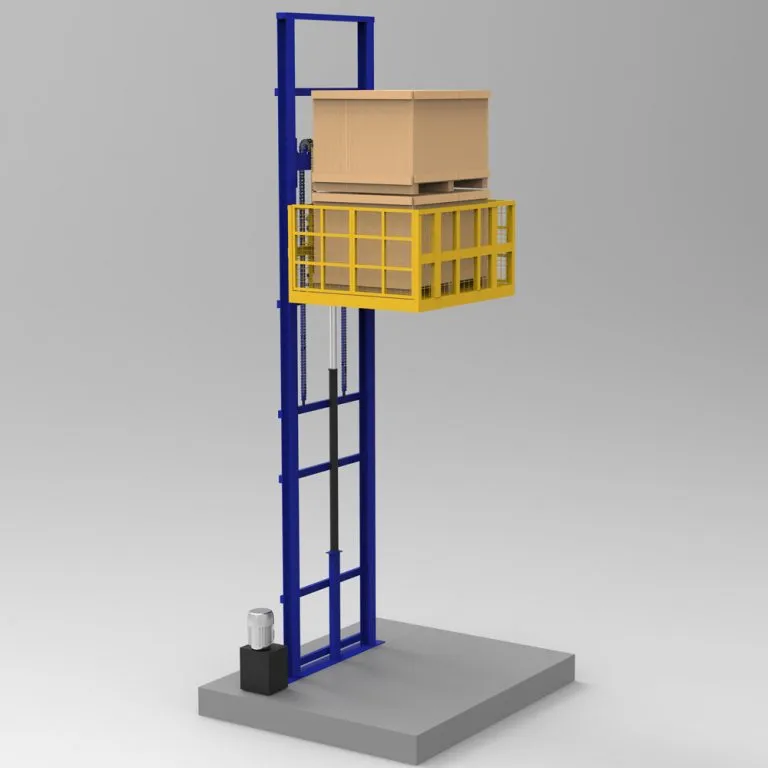
Lifts primarily refer to vertical transport systems (elevators) in buildings, moving people/goods between floors, but also broadly mean any device or action to raise something, like ski lifts, forklifts, scissor lifts for work, or even the act of raising something (e.g., “lift a car”). In Commonwealth English (UK, Aus, etc.), “lift” is standard; in North America, “elevator” is used. They use cables, motors, and counterweights (traction) or hydraulics to operate, ensuring building accessibility and efficiency. Types of Lifts Building Lifts (Elevators): The most common, from passenger lifts in skyscrapers to home lifts and wheelchair lifts for accessibility. Industrial Lifts: Forklifts (material handling), scissor lifts (aerial work platforms). Recreational/Transport Lifts: Ski lifts (aerial/surface), paternoster lifts (continuous chain). Assistive Lifts: Stairlifts, patient lifts (Hoyer lifts) for mobility issues. How They Work (Building Lifts) Mechanism: Electric motors pull cables attached to a car and a counterweight, balancing the load for efficiency. Components: Car, motor, cables, counterweight, safety systems, control panel. Power: Electric (traction) or hydraulic (pumping fluid). Other Meanings As a Verb: To raise or hoist something (e.g., “lift a heavy box”). Informal (UK): “Doing lifts” can mean illegal ride-sharing via social media. In essence, if it moves things vertically or requires effort to raise, it’s likely a “lift” in the broader sense, with building elevators being the most prominent example.

wine
Без рубрики

WINE

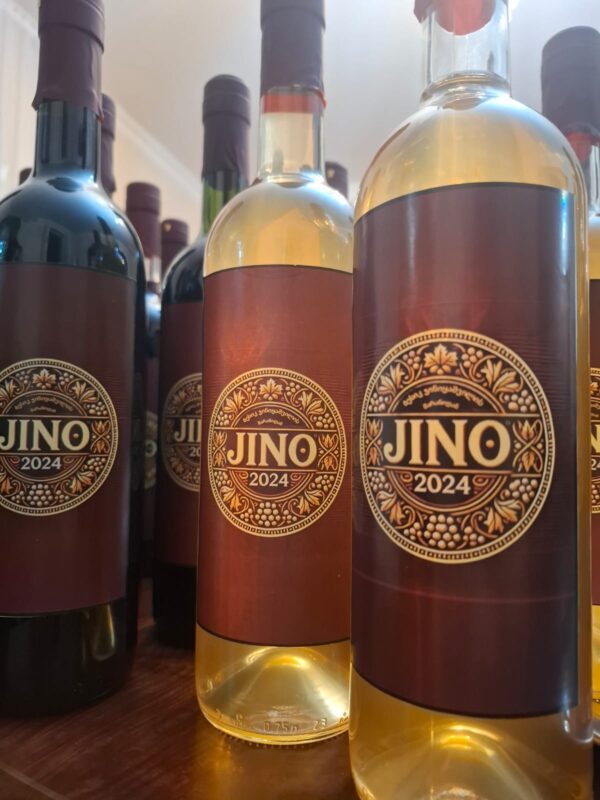
  Georgia: The Cradle of Wine Georgia, nestled at the crossroads of Europe and Asia, boasts a winemaking tradition that stretches back over 8,000 years. This ancient heritage has earned it the title of “cradle of wine.” Archaeological evidence reveals that Georgians were cultivating grapes and producing wine as early as 6,000 BC, making it one of the oldest winemaking regions in the world. The Qvevri Tradition. Central to Georgian winemaking is the qvevri, a large, egg-shaped clay vessel buried underground. This unique method, dating back millennia, involves fermenting and aging the wine in these qvevri, allowing for natural temperature control and gentle extraction of flavors and tannins. The qvevri winemaking method is recognized by UNESCO as an Intangible Cultural Heritage of Humanity. A Tapestry of Indigenous Grapes. Georgia’s diverse climate and terroirs nurture over 500 indigenous grape varieties, each contributing unique characteristics to the wines. Saperavi, a dark-skinned grape, produces robust red wines with notes of dark berries and spice. Rkatsiteli, a white grape, yields crisp, aromatic white wines with hints of citrus and floral notes. Other notable varieties include Mtsvane, Kisi, and Khikhvi. Tasting Notes: A Journey Through Flavors. Georgian wines offer a captivating range of flavors and styles. Red wines, often made from Saperavi, are known for their deep color, rich tannins, and complex aromas of blackcurrant, cherry, and spice. White wines, crafted from Rkatsiteli and Mtsvane, exhibit vibrant acidity, refreshing citrus notes, and a distinct minerality. Amber wines, made using extended skin contact, showcase a unique tannic structure and nutty, dried fruit flavors. A Resurgence of Tradition. After a period of decline during the Soviet era, Georgian winemaking is experiencing a renaissance. Young winemakers are embracing traditional methods, experimenting with indigenous grapes, and producing high-quality wines that reflect the country’s rich heritage. This resurgence has garnered international recognition, with Georgian wines gaining popularity among wine enthusiasts worldwide. Exploring Georgia’s Wine Regions. Georgia’s diverse wine regions offer a tapestry of terroirs and winemaking styles. Kakheti, the country’s largest wine region, is renowned for its Saperavi and Rkatsiteli wines. Kartli, home to the ancient capital of Mtskheta, produces elegant white wines and sparkling wines. Imereti, with its rolling hills and fertile valleys, is known for its light-bodied red and white wines. A Toast to Georgian Wine.. Georgian wine is more than just a beverage; it’s a symbol of the country’s rich history, cultural heritage, and unwavering spirit. From the ancient qvevri to the diverse array of indigenous grapes, Georgian wine offers a unique and unforgettable tasting experience. As you savor a glass of Georgian wine, you’re not just enjoying a drink; you’re partaking in a tradition that has been passed down through generations.

Bobcat_Filter_Main_Category_01_1
Без рубрики

Filter

Importance and Quality of Filters for Automobiles and Construction Machinery Filters are crucial components for the longevity of automobiles and construction machinery. They ensure the smooth operation of the engine, motor, and hydraulic systems by protecting them from harmful particles and dirt. Engine Filters: These filters protect the engine from airborne contaminants such as dust, insects, and other particles. A quality engine filter ensures optimal air flow, which is essential for efficient fuel combustion and engine performance. Oil Filters: Oil filters clean engine oil from sediments and harmful particles that are formed during engine operation. Clean oil provides lubrication to engine parts and protects them from wear. Hydraulic Filters: Hydraulic systems in construction machinery are used to lift and move heavy loads. Hydraulic filters protect these systems from dirt and particles, ensuring their smooth operation and extending their lifespan. Filter quality: The quality of filters directly affects the performance and lifespan of your vehicle and construction machinery. Cheap and low-quality filters may not provide proper filtration, which can lead to engine damage and system malfunctions. Recommendations: * Use only high-quality filters that match your vehicle or construction machinery model. * Change filters regularly according to the manufacturer’s recommendations. * Pay attention to the condition of the filters and replace them if necessary. Correct selection and regular replacement of filters will ensure long and trouble-free operation of your vehicle and construction machinery.

Scroll to Top